
Last updated: May 2026. This article is reviewed quarterly.
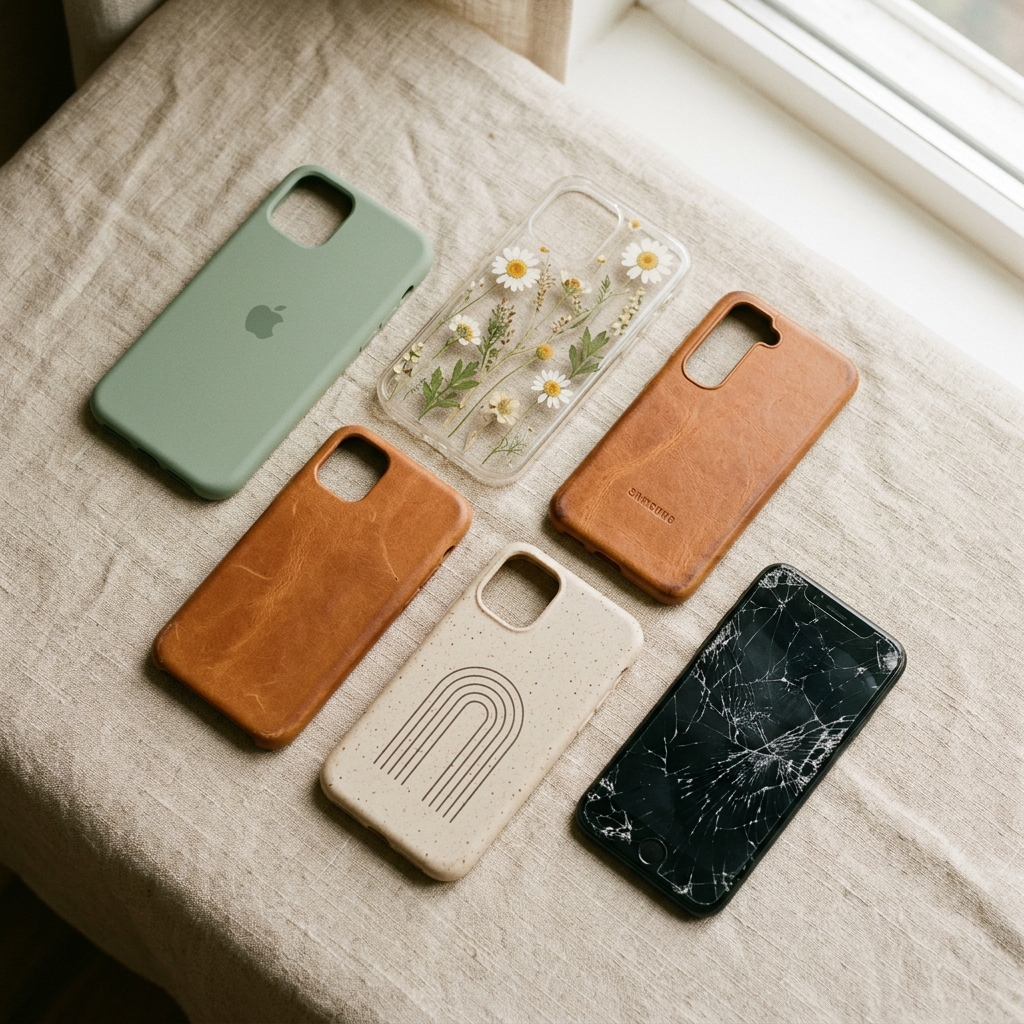
When a phone case manufacturer claims their product has “military-grade drop protection,” they want you to picture your phone surviving a fall from a helicopter. The words carry a specific, heavy weight. They conjure images of tactical armor, heavy artillery, and gear built to survive a war zone.
Yet, most people buy these bulky shells just to protect their expensive screens from slipping out of a pocket onto kitchen tile. If you examine the actual engineering and testing behind these claims, the gap between tactical marketing and real-world physics becomes obvious. There is a vast difference between what a phone case needs to survive in the hands of an active-duty soldier and what it needs to survive in your daily life.
To understand why your heavy-duty plastic brick exists, you have to look at the certifications, the material science of shock absorption, and the economics of consumer hardware protection.
The Reality of MIL-STD-810G Testing
The backbone of the “military-grade” claim is a document called MIL-STD-810G. This is a United States military standard that outlines environmental engineering considerations and laboratory tests to verify how equipment holds up under extreme conditions.
When a brand prints “MIL-STD-810G” on its packaging, they are almost always referring to a specific procedure: Method 516.6, Procedure IV, also known as the Transit Drop Test.
The test is straightforward:
- The device is dropped from a height of 4 feet (48 inches).
- It undergoes a total of 26 drops.
- The drops are distributed across faces, edges, and corners to test all impact angles.
- The target surface is two inches of plywood backed by concrete.
To pass, the device simply has to remain functional after the drops. It does not mean the screen is scratch-free, nor does it guarantee the outer plastic shell remains pristine.
Here is the catch: the military does not certify commercial phone cases. The Department of Defense has no laboratory where they throw iPhones onto plywood to see if the glass cracks. Phone case manufacturers hire private, third-party labs to perform these drops, or they simply set up their own testing rigs.
Furthermore, a manufacturer can test a case with a non-functional dummy phone inside. They can also use a new case for every drop, rather than subjecting a single case to all 26 impacts. The test is a baseline measure of survival, not an absolute guarantee of invincibility.
The Counter-Intuitive Truth: Ask a Soldier
If you speak to people who have actually served, they will give you a very different perspective on what “military-grade” means in practice. On Reddit’s r/iphone, the skepticism is a constant theme.
A user on r/iphone pointed out that in the actual military, “military-grade” means the absolute cheapest item that technically meets the minimum spec. It is built by the lowest bidder.
“As an infantry veteran, when I see a product advertised as ‘military-grade,’ I usually run the other way. In the service, that label means it was made by the lowest bidder to meet a bare-minimum checklist. It usually means heavy, awkward, and barely functional enough to get the job done.”
This perspective highlights the conflict between civilian marketing and military utility. For a soldier, rugged gear is about survival in mud, extreme heat, and heavy vibration. For a consumer, a case is about preventing an expensive repair bill after a concrete drop.
Materials Science: TPU vs. Polycarbonate
A regular phone case is usually a single injection-molded piece of plastic or silicone. A heavy-duty protective case is a complex assembly of multiple materials engineered to handle different types of impact energy.
To understand why these cases work, you must look at the two primary materials used in their construction:
1. Thermoplastic Polyurethane (TPU): This is the soft, rubbery material you find on the inner sleeve and the corners of the case. TPU is an elastomer with high shear strength and excellent elasticity. Its primary job is deceleration. When your phone hits the ground, the TPU stretches and compresses, extending the time of the impact and lowering the peak force transferred to the internal silicon chips.
2. Polycarbonate (PC): This is the hard, rigid plastic outer shell. Polycarbonate has incredible impact resistance (it is the same material used in bulletproof glass). Its job is deflection and distribution. When a phone hits a sharp rock, the PC shell stops the rock from puncturing the body, spreading the concentrated force across a wider surface area of the inner TPU sleeve.
Some high-end brands add specialized materials like D3O or proprietary shock-absorbing gels. These are non-Newtonian fluids that remain soft and flexible when handled gently but lock together instantly upon high-velocity impact, absorbing and dissipating the kinetic energy before it reaches the phone.
A standard thin case lacks this dual-layer system. It might protect against scratches and minor scuffs, but it cannot slow down the sudden stop that cracks a modern OLED screen.
Decoupling Bulk from Real Protection
For years, the industry assumed that thicker cases meant better protection. If you wanted a phone that could survive a fall, you had to carry a brick in your pocket.
Modern engineering has changed this dynamic. We now have cases that offer exceptional drop protection without the massive bulk. By using advanced materials and optimizing internal geometry, designers can build slimmer cases that absorb as much energy as older, chunkier designs.
For example, many slim cases now feature internal ribbing or honeycomb structures. These air pockets compress under load, functioning like tiny crumple zones in a car. The physical thickness of the case is reduced, but the deceleration path remains highly effective.
If you work on a construction site or spend your weekends rock climbing, a heavy-duty, multi-piece case with a built-in port cover is a sensible choice. The bulk is a necessary trade-off for environment-specific protection against dust, dirt, and heavy drops.
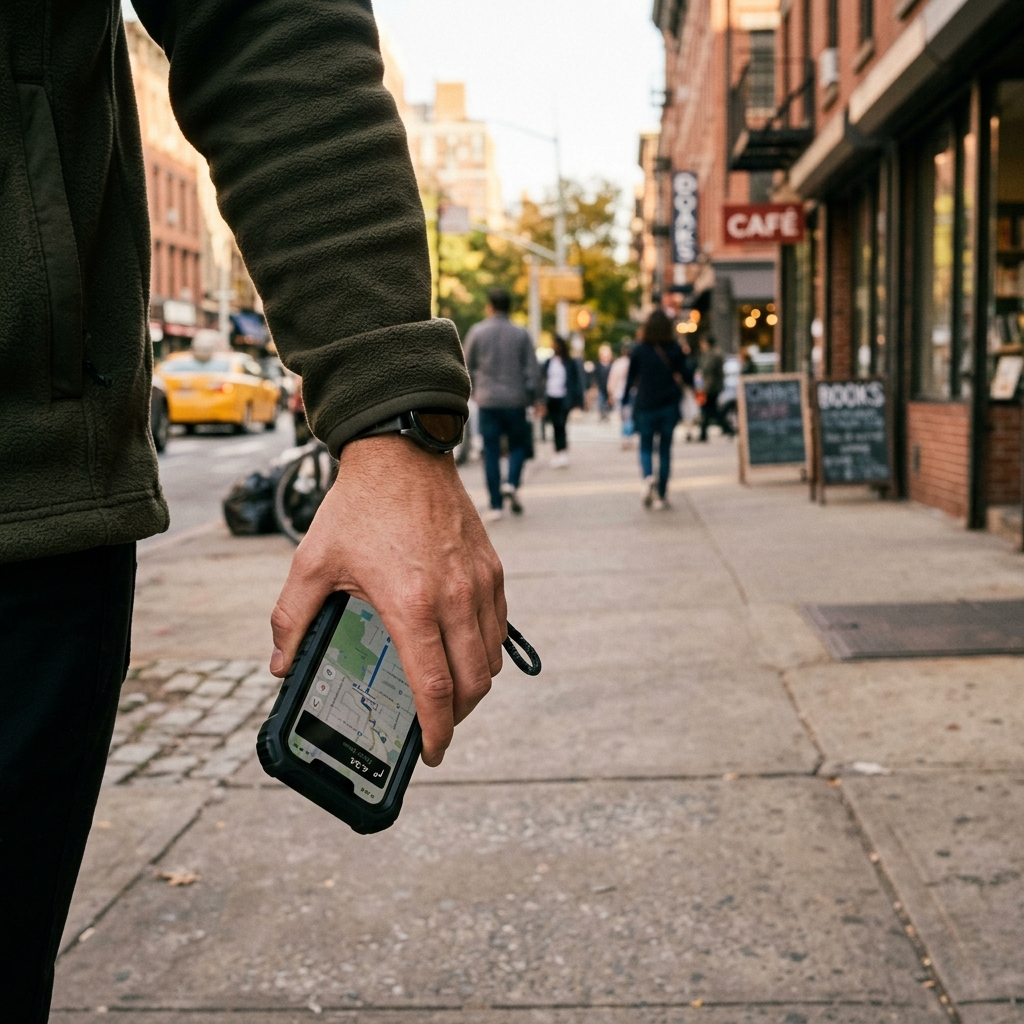
For the average office worker or city commuter, a ultra-rugged case is mostly about visual signaling rather than practical utility. It shows others that you value durability and functional aesthetics, even if your phone’s biggest daily threat is a wooden coffee table.
Making an Informed Decision
When choosing a phone case, ignore the generic marketing labels and focus on the physical features that actually keep a phone safe during an accidental drop:
- Corner Bumpers: The corners are the most vulnerable points. An impact on a corner focuses all the force into a single point, often causing the glass to shatter immediately. Look for cases with reinforced, thicker TPU corners or internal air pockets.
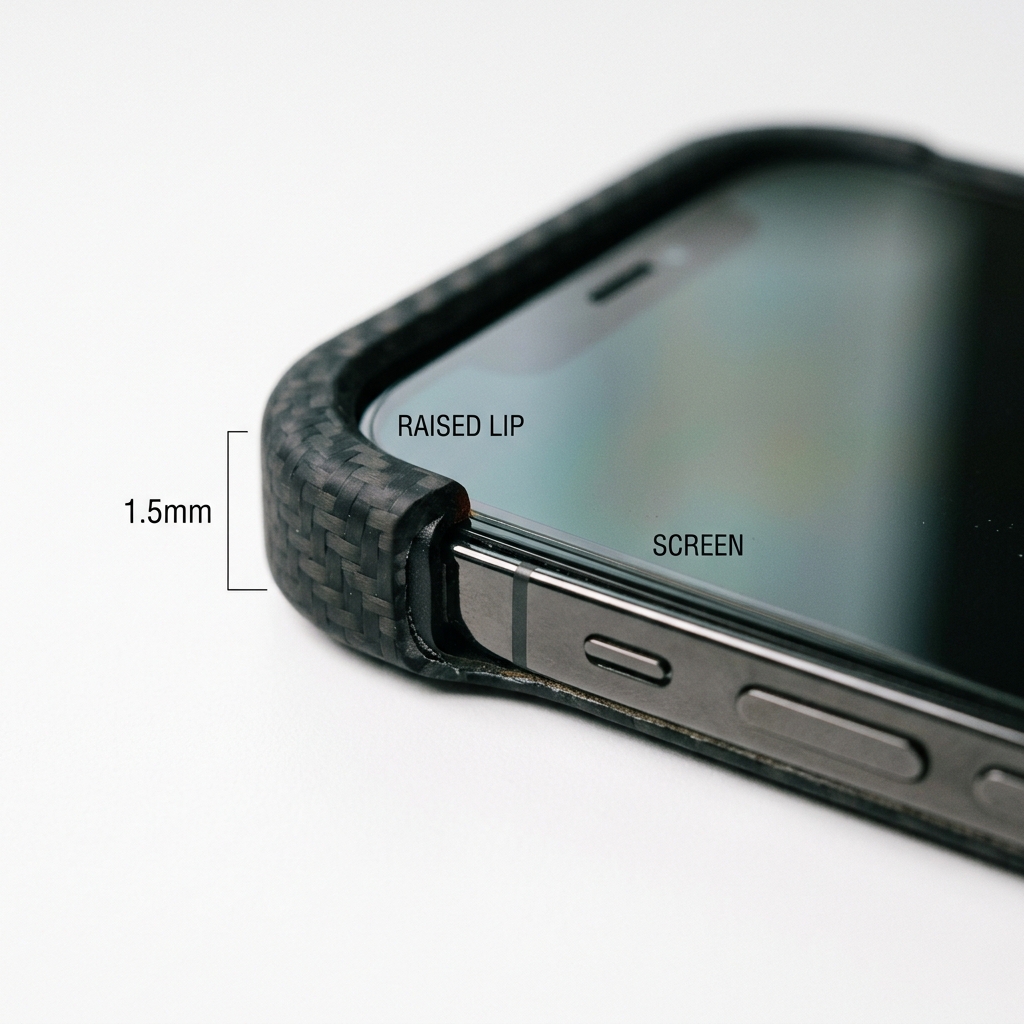
- Bezel Elevation: The screen and the camera lens should never touch a flat surface when the phone is laid down. A quality case has a raised lip (at least 1.5mm) around the front screen and the rear camera module to prevent direct impact.
- Textured Grip: The best drop protection is not dropping the phone in the first place. Cases with textured sides or matte materials significantly reduce the chances of a phone slipping from your hand.
A regular slim case is perfectly fine for daily protection against light wear and clean desk drops. But if you want real peace of mind, skip the generic cheap plastic and invest in a well-engineered dual-layer case from a reputable manufacturer. You do not need a case built for the military, but you do need one built with solid materials science.
What is your experience with heavy-duty cases? Have you found a slim case that survives real-world drops, or do you stick to the heavy tactical shells? Let us know in the comments below.