
Instant Pot Review 2026: Duo, RIO, Pro and Vortex Models Compared
Last updated: July 31, 2026. Prices, accessories and availability can change.
Instant Pot’s catalog mixes electric pressure cookers, multi-cookers and Vortex air fryers. Capacity and cooking method matter more than the number of presets, so this guide starts with household size, counter space, steam-release habits and the meals you actually make.
Affiliate disclosure: This article contains YeahPromos partner links. Click2Future may earn a commission if you buy through them, at no added cost to you. This is a specification and buying guide, not a claim of physical testing.

“Instant Pot” is often used as shorthand for any countertop cooker from the brand, but the current feed includes distinct appliances. A pressure cooker uses a sealed pot and controlled pressure. A slow-cook or sauté mode works at ordinary pressure. A Vortex air fryer uses a basket and circulating hot air. The right choice starts with the cooking method, not the logo on the front.
The current Click2Future partner feed contains 21 valid Instant Pot listings. The most visible families are the 3-quart Duo, 4-quart Vortex air fryers, 6-quart Duo Plus and RIO cookers, and 8-quart Pro models. Color and bundle variants can have separate prices. Open the static catalog for the complete feed, then use the comparison below to narrow the decision.
The short verdict
The 3-quart Duo fits one or two people and small kitchens. A 6-quart Duo Plus or RIO is the practical all-round size for many households. An 8-quart Pro makes sense when batch cooking is frequent and you have the storage space. Choose a Vortex air fryer when crisping and fast reheating are the priority; it does not replace a pressure cooker for beans, broth or tender braises.
Five current options compared
Feed prices below are a July 31, 2026 snapshot. Confirm the exact model, pot size, included rack or basket, warranty and current seller on the YP destination page.
| Current option | Best fit | Feed price | Link |
|---|---|---|---|
| Duo 3-quart cooker | Small households and compact kitchens | USD 89.99 | View offer |
| Duo Plus 6-quart cooker | Family portions and a broad multi-cooker routine | USD 159.67 | View offer |
| Pro 8-quart cooker | Larger batches and extra capacity | USD 199.99 | View offer |
| RIO 6-quart cooker | A newer multi-cooker layout with familiar core modes | USD 109.99 | View offer |
| Vortex 4-quart air fryer | Crisping, roasting and reheating without pressure | USD 69.99 | View offer |
Capacity is about usable meals, not just the number on the box
A 3-quart cooker is compact, but the usable amount of food is less than the nominal pot volume because pressure cooking needs headroom. It is a good size for a single portion, a couple of servings or a small side dish. It also heats and stores more easily in a tight kitchen. The tradeoff is that a recipe written for a 6-quart model may need to be reduced rather than simply poured into the smaller pot.
Six quarts is the sensible middle ground for a household that wants soup, rice, beans, shredded meat and weekly meal prep. A 6-quart pot is not tiny on a counter, so measure under-cabinet clearance before ordering. The lid, steam path and release area need space. If you store the appliance in a cabinet, leave room for the inner pot, sealing ring and accessories rather than treating the base as the only object.
An 8-quart cooker can save time when you make large batches, but the size changes handling. The inner pot is heavier when full, the steam plume is more substantial and the appliance takes longer to move from storage to the counter. Bigger does not mean faster for every recipe. It means more capacity when the recipe and household justify it.
Pressure cooking safely starts with the manual
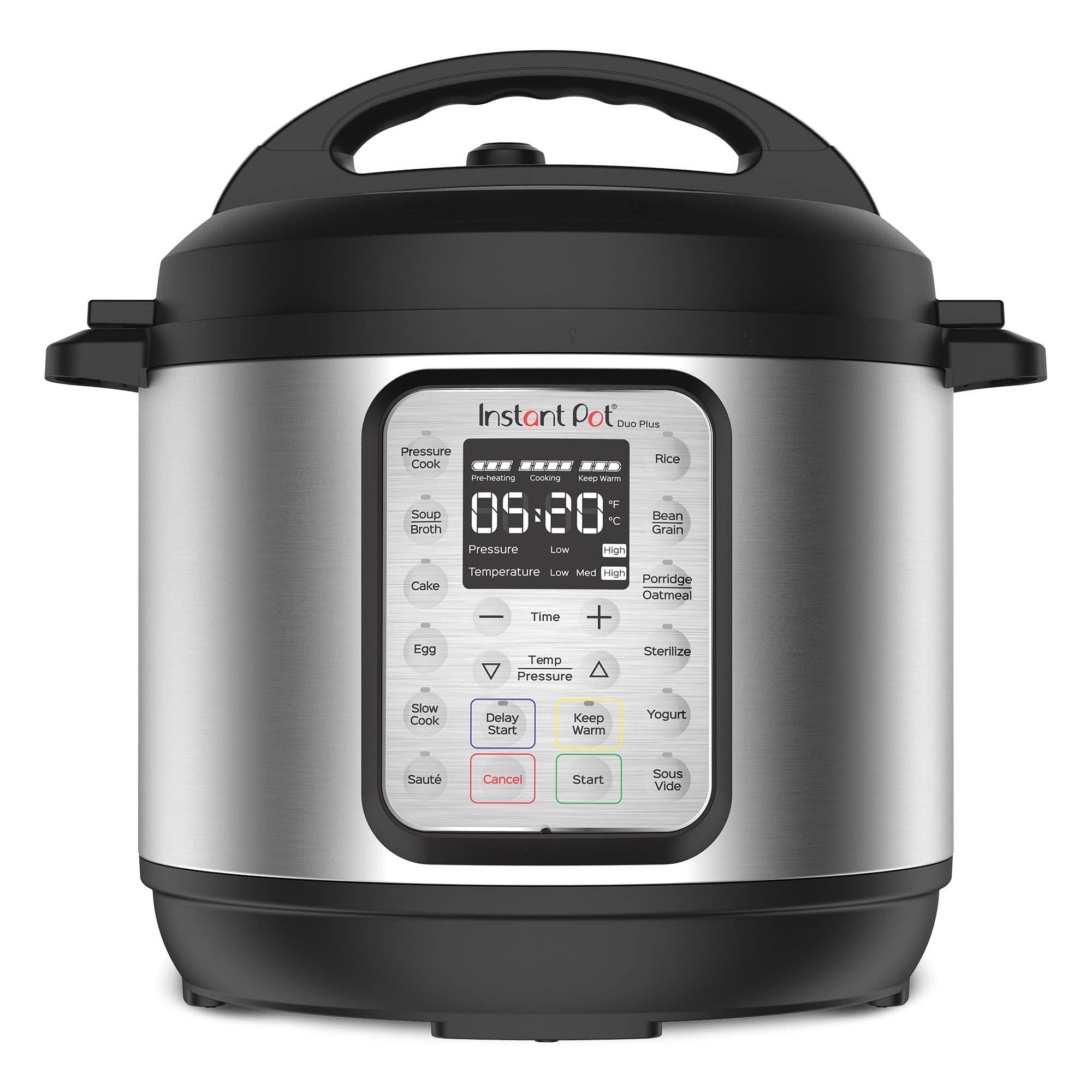
Instant Pot’s official product pages describe pressure cooking as one mode among several. The operating details are model-specific: minimum liquid, maximum fill lines, pressure levels, sealing-ring care and the way the steam-release system behaves. Read the manual for the exact model you buy. A recipe from a different generation can use a different release instruction or accessory.
Natural release and quick release are not interchangeable. Instant Pot’s official FAQ describes quick release as switching from sealing to venting, which ejects a jet of steam, while natural release allows pressure to fall gradually. Keep hands and face away from the steam path, use the handle or tool specified by the manual and wait for the pressure indicator to drop before opening the lid.
Pressure cooking is also not the same as pressure canning. A countertop multi-cooker can cook food under pressure, but preservation rules depend on acidity, processing time, jar size and tested methods. Do not use a random pressure-cooker recipe as a canning procedure. The goal of this guide is everyday cooking, not food preservation.
Programs are useful only when they match your routine
“Nine-in-one” or “ten-in-one” counts can sound like a quality score. They are better understood as a menu of controls. Pressure cook, slow cook, sauté, steam, rice and keep warm are different jobs that may share one pot. Sous vide, yogurt and cake modes can be useful for a specific household, but they should not decide the purchase if you will never use them.
A dial or display that is easy to read can be more important than one additional preset. Consider whether you want manual time and pressure control, guided recipes, a quiet steam release or a simpler button layout. The Instant Pot Duo Plus page highlights 9-in-1 functionality and WhisperQuiet steam release; that is useful context, but the actual value depends on your kitchen and comfort with the controls.
Vortex air fryers solve a different problem
The Instant Pot Vortex listings in this feed are compact convection appliances with air-fry, roast, broil, bake, reheat and dehydrate programs. A 4-quart basket is convenient for a small household and quick sides. It is not a substitute for the sealed pot, liquid and pressure cycle used for beans, stews or tender cuts.
Air circulation needs space. USDA guidance says overcrowding an air-fryer basket can prevent even cooking and recommends checking safe internal temperatures with a food thermometer. For poultry, that means 165°F; ground meat is 160°F; fish and whole cuts of beef, pork, lamb and veal are 145°F with a three-minute rest. Follow the food package and appliance instructions too, because time and power vary by model.
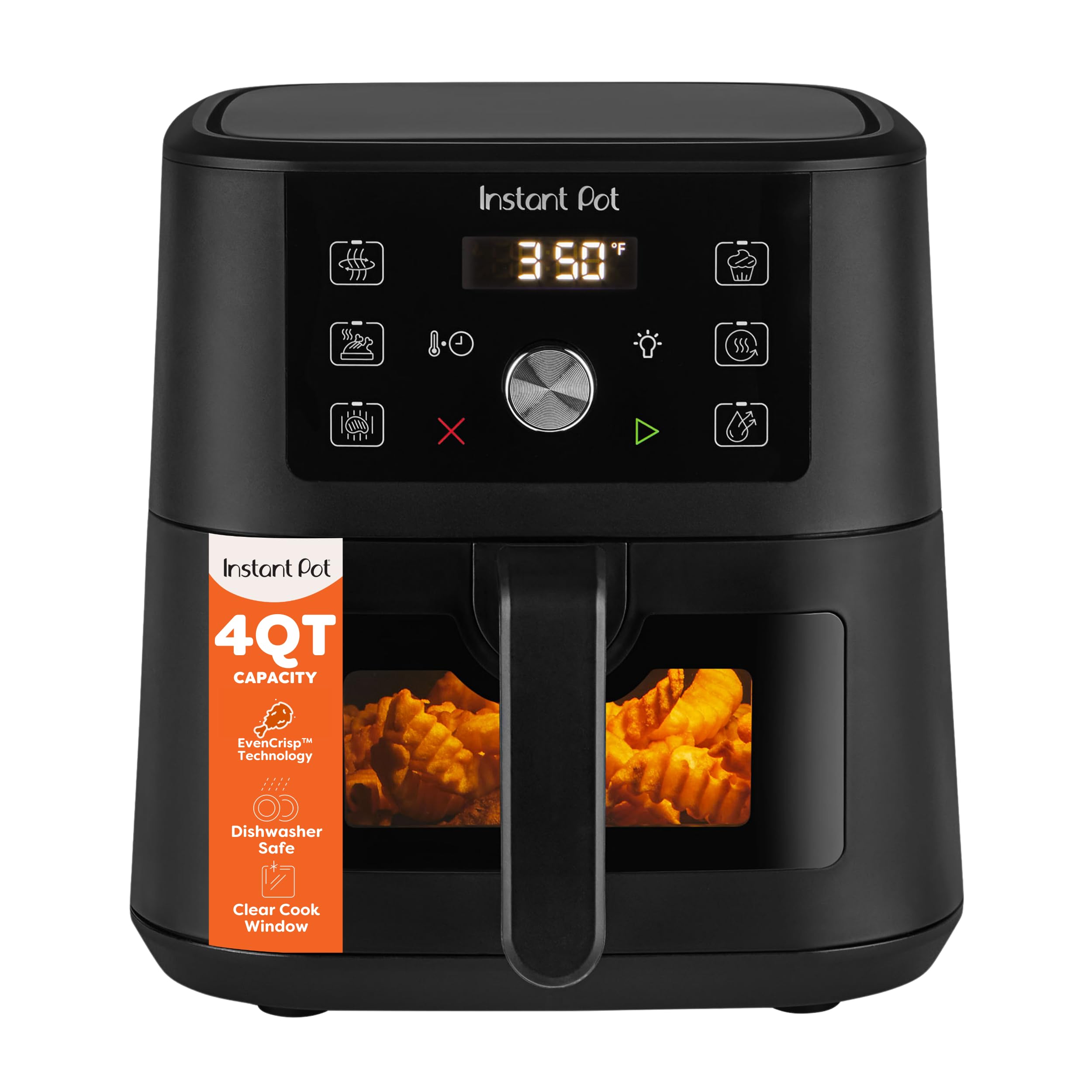
Air fryers can be easier to use on a weeknight because they preheat quickly and keep a smaller cooking zone than a full oven. The tradeoff is basket space and cleanup. A 4-quart model can require batches for a family, while a larger oven-style unit occupies more counter depth. If you mostly reheat leftovers, crisp frozen food and roast vegetables, a Vortex may be the better first appliance. If you mostly cook grains, beans and braises, start with a multi-cooker.
Cleaning, storage and the accessories that matter
The sealing ring, steam-release parts, inner pot and air-fryer basket are functional components, not decorative extras. Clean them according to the manual and let parts dry fully before storage. A lingering smell in a silicone ring does not mean the base is damaged, but a cracked ring, blocked valve or damaged cord is a reason to stop using the appliance and replace the part or contact the manufacturer.
Accessories can change the real price. A second sealing ring, rack, lid, air-fryer basket or replacement insert may be useful, but compatibility is model-specific. Do not assume a 6-quart accessory fits an 8-quart cooker. The product title and official model page should win over a generic marketplace photograph.
- Measure counter depth, cabinet clearance and storage space before choosing capacity.
- Choose pressure cooking, air frying or both based on actual meals.
- Read the manual for liquid, fill, release and cleaning instructions.
- Never treat a pressure cooker as a pressure-canning substitute.
- Use a food thermometer for meat and poultry cooked in an air fryer.
How this review was assembled
Click2Future reviewed all 21 valid products in the current YeahPromos feed, including names, images, prices, ratings and destination links. We compared the product families with Instant Pot’s official Duo Plus product page and multi-cooker manual library, then used USDA food-safety guidance for the air-fryer section. We did not time recipes, test pressure release, measure energy use or physically test the appliances.
Frequently asked questions
Is a 6-quart Instant Pot enough for a family?
It is the practical middle size for many households, but the right answer depends on portions, batch cooking and storage. Follow fill limits rather than treating the nominal capacity as usable food volume.
What is the difference between quick and natural release?
Quick release vents steam after cooking; natural release lets pressure fall gradually. Follow the exact manual and keep hands and face away from the steam path.
Can a Vortex air fryer replace an Instant Pot?
No. Air frying uses circulating hot air; pressure cooking uses a sealed pot and liquid. They overlap on some meals but solve different cooking jobs.
Can I use an Instant Pot for canning?
Do not assume so. Pressure cooking and tested pressure-canning procedures are different. Follow official preservation guidance rather than a generic recipe.
Are feed prices fixed?
No. They reflect a July 31, 2026 snapshot. Open the YP offer to confirm price, seller, stock and delivery.
Sources and editorial references
- Instant Pot official Duo Plus 6-quart product page
- Instant Pot official multi-cooker manual library
- USDA FSIS air-fryer food-safety guidance
Compare every current Instant Pot listing
The full static directory keeps all 21 current partner listings together, from small cookers and RIO models to Duo Plus, Pro and Vortex options.