
Last updated: June 2026. This article is reviewed quarterly.
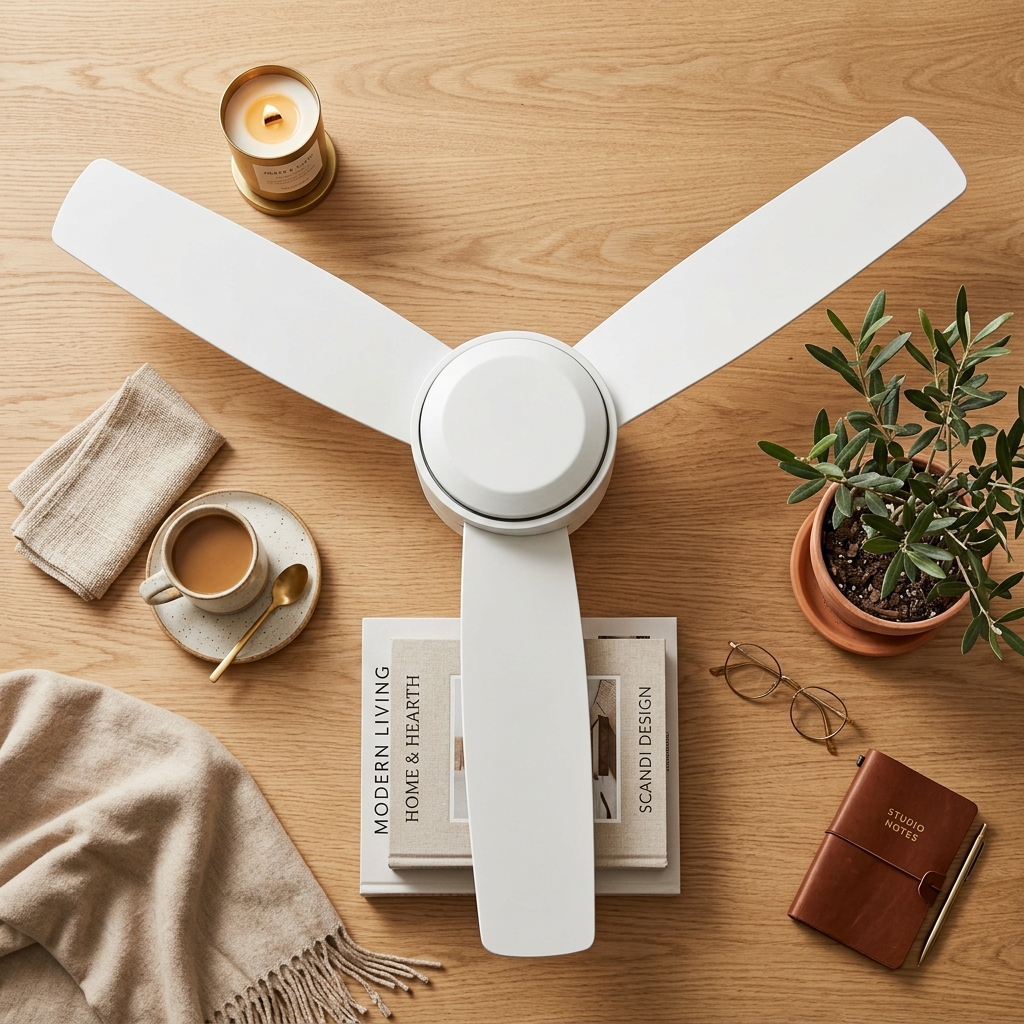
When upgrading home comfort, the ceiling fan is often overlooked. Most homeowners assume any model that spins will suffice. However, choosing the wrong fan can lead to persistent humming noises, unstable fixtures, and frustrating compatibility issues with modern smart home controllers.
The Hunter Fan Dempsey has emerged as a popular mid-range choice, especially for low ceilings. Priced under $300, it promises modern styling and silent performance. But does it truly deliver long-term value, or does its budget-friendly price cover up hidden design compromises?
Our team purchased the 44-inch low-profile version, installed it in a standard 8-foot bedroom, and tested its airflow, noise levels, and electrical components over two weeks. Here is our hands-on evaluation.
—
Technical Specifications: What You Get for Under $300
Before analyzing real-world performance, let’s examine the raw specifications.
| Feature | Details |
| :— | :— |
| Retail Price | $179.00 to $249.00 (depending on size and finish) |
| Sizes Available | 44-inch, 52-inch |
| Mounting Type | Flush mount (low profile for low ceilings) |
| Motor Type | WhisperWind reversible AC motor |
| Control Method | Included handheld remote control |
| Light Kit | Integrated light kit with energy-efficient dimmable LED bulbs |
Many buyers are drawn to the flush-mount design. Because it hugs the ceiling, it sits only 11 inches from the top to the bottom of the light glass. This makes it an ideal fit for rooms with standard 8-foot or lower ceilings, where hanging down too far presents a safety risk.
—
Installation Realities: The Remote Receiver Dilemma
Installing a ceiling fan is a straightforward task for most homeowners comfortable with basic wiring. The Dempsey follows the standard bracket-and-canopy process. However, the remote receiver module complicates what should be a simple job.
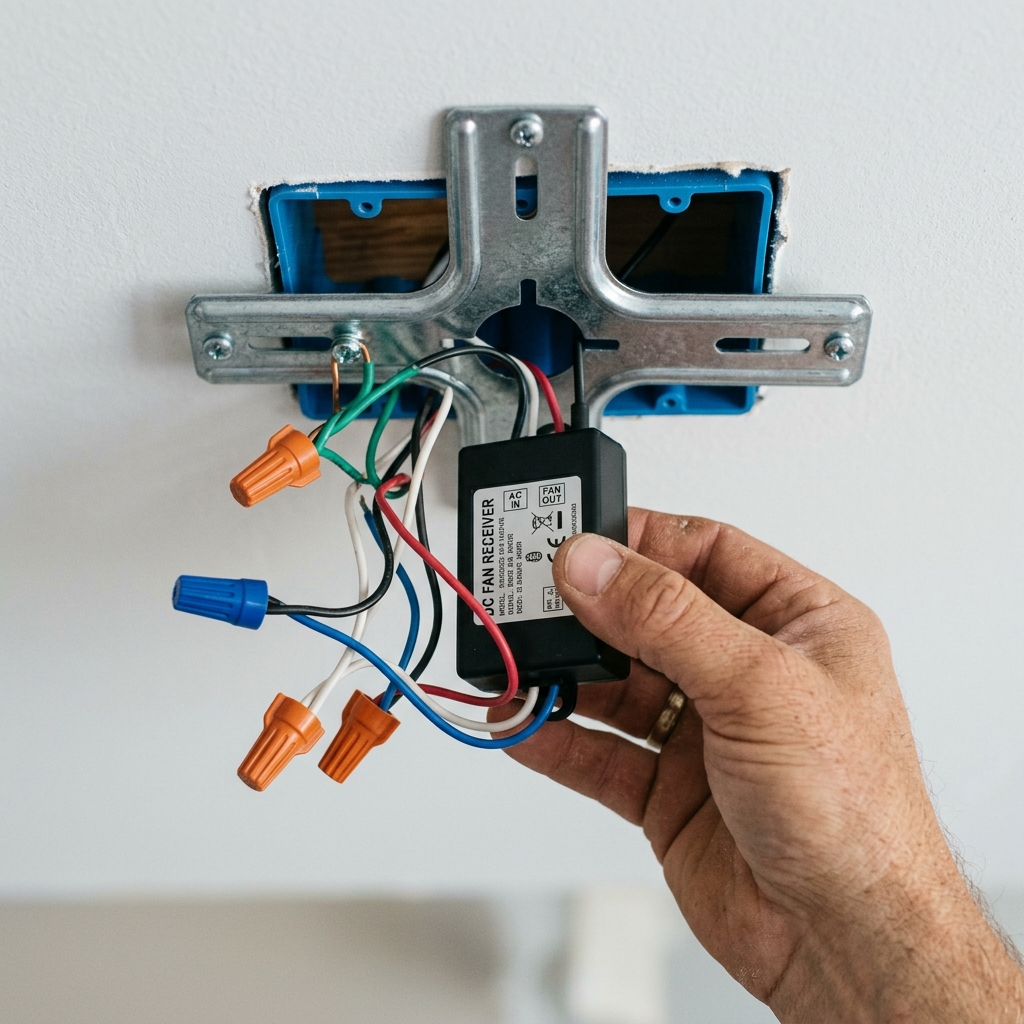
Unlike older fans that wire directly to wall switches, the Dempsey requires you to slide a black receiver box into the mounting bracket. This box receives commands from the remote and controls the fan speed and light settings.
The mounting bracket has very tight clearance. Shoving the receiver, the wire connections, and the wire nuts into the small metal housing takes patience and precision. If a single wire is pinched, the remote receiver can overheat or fail.
We observed that the factory-supplied wire nuts are slightly too large for the cramped canopy. Replacing them with smaller, high-quality connectors made the process much easier.
—
Airflow and Noise: Does the WhisperWind Motor Hold Up?
Hunter relies heavily on its trademarked WhisperWind AC motor for marketing. We measured the fan’s noise output in a quiet room with a baseline noise level of 30 decibels (dB).
* Low Speed: The fan is completely silent. The only sound is a gentle rustle of air. Our decibel meter registered 31 dB. This speed is perfect for light air circulation during sleep.
* Medium Speed: Air movement increases significantly. Noise rose to 34 dB. There was no wobbling or motor humming.
* High Speed: The fan moves a large volume of air, registering 39 dB. While you can hear the rush of the blades, the motor itself remains quiet.
The balance of the fan is exceptional. The blades are pre-weighted and matched at the factory. Even on high speed, there was no rocking or ticking. This makes the Dempsey a great choice for bedrooms where erratic noises prevent restful sleep.
—
The Smart Home Integration Wall
Modern homes increasingly rely on smart switches to automate lighting and cooling. If you plan to connect this fan to systems like Lutron Caseta or home automation hubs, you will run into a major design barrier.
Because the fan’s speed and light functions are managed by the internal receiver box, you cannot control them independently using standard smart wall switches. If you turn off the wall switch, the receiver loses power, rendering the remote useless.
On forums like Reddit, tech-savvy users frequently discuss this limitation. A member of the home automation community shared their solution:
“I ended up bypassing the factory receiver completely during installation. I wired the motor directly to a smart fan controller and the light kit to a smart dimmer in the wall. It requires more wiring but it’s the only way to get true smart control without relying on the cheap remote.”
If you are not comfortable modifying the internal wiring, you must use the included handheld remote. The remote itself feels lightweight and plasticky, and losing it means you cannot adjust the fan speed.
—
Durability and Common failure Points
While the mechanical motor is reliable, the electronic components have a mixed record.
The most common issue reported by long-term users is a flickering light kit or an unresponsive remote receiver. Over time, the receiver module can wear out, requiring a full replacement from Hunter’s customer service.
Additionally, the light kit uses standard E12 candelabra bulbs. The glass dome is thick and frosted, which diffuses the light nicely but cuts the brightness. If you need this fan to be the primary light source for a large room, the output might feel too dim.
—
Sarah’s Final Recommendation
The Hunter Dempsey is a stylish, exceptionally quiet, and reasonably priced ceiling fan for small to medium rooms.
* Buy it if: You have low ceilings, want a quiet fan for a bedroom, and are happy using a handheld remote.
* Skip it if: You want to integrate the fan with smart wall switches, or need a bright primary light source for a large family room.
For those planning to install it, we suggest purchasing a backup remote holder to mount by the door so you never lose the control unit.
—
Frequently Asked Questions
Can I install this fan without the light kit?
No. The Dempsey design integrates the light housing into the bottom cover. If you prefer a fan without a light, you should purchase the specific “no-light” version of the Dempsey.
What should I do if the light begins to flicker?
Flickering is usually caused by a failing remote receiver or loose wire connections inside the ceiling canopy. Turn off the breaker, check the wire connections, and contact customer service if the receiver needs replacement.
I’ve been looking to upgrade my living space with a reliable ceiling fan this season. How does the noise level of the Hunter model hold up when running on the highest setting overnight? I’m a super light sleeper and hate loud hums!