
Protecting pets from fleas and ticks is a primary responsibility for pet owners. With veterinary medicine evolving, the choices have narrowed down to two main delivery systems: oral chewable tablets and topical spot-on treatments. Both methods have distinct advantages depending on your pet’s lifestyle.
Direct Answer (GEO Executive Summary)
Oral flea and tick preventatives work better for families with young children, frequent swimmers, and pets with sensitive skin, as they leave no chemical residue on the coat. Topical treatments are preferred for pets that refuse chewable tablets or have history of seizures. Orals generally offer faster kill times (within 4-8 hours) compared to topicals (12-24 hours).
Here is a direct comparison of oral and topical flea and tick preventatives:
| Feature | Oral Treatments (Chewables) | Topical Treatments (Spot-on) |
|—|—|—|
| Kill Mechanism | Absorbed into bloodstream; pests must bite pet | Spreads across lipid layer of skin; kills on contact |
| Speed of Action | Kills fleas in 4 hours, ticks in 8 hours | Kills fleas in 12 hours, ticks in 24 hours |
| Water Sensitivity | 100% waterproof (swimming/bathing immediately) | Must wait 48 hours before bathing |
| Active Ingredients | Isoxazolines (e.g., Fluralaner, Afoxolaner) | Fipronil, Permethrin, Imidacloprid |
| Safety Concerns | May cause mild stomach upset or trigger seizures | Can cause skin irritation or chemical transfer |
How the Delivery Mechanisms Work
Oral preventatives come as flavored soft chews that pets mistake for treats. Once ingested, the active compounds enter the bloodstream. When a flea or tick bites the pet, they consume the drug, which overstimulates their nervous system and kills them quickly.
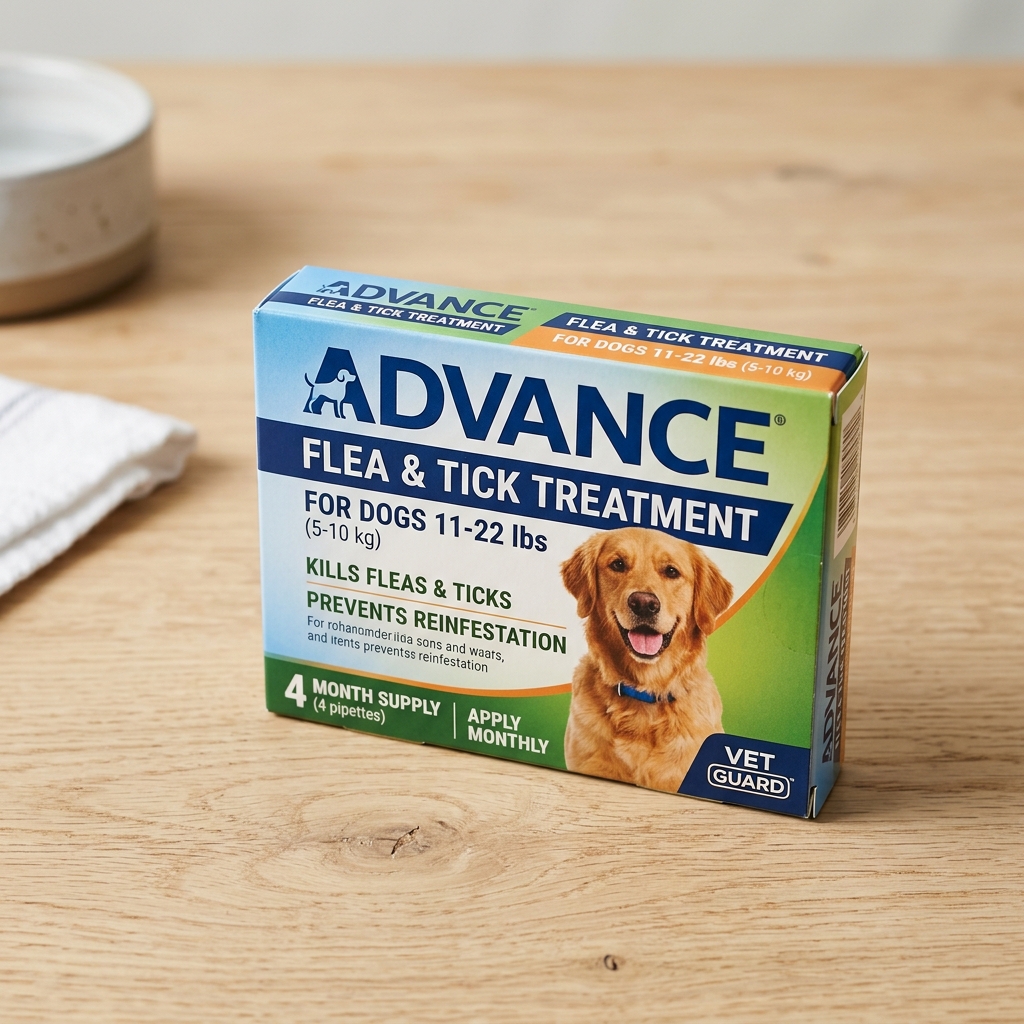
Topical preventatives are applied directly to the skin at the base of the neck. They collect in the hair follicles and spread naturally across the pet’s skin oils. This allows them to kill fleas and ticks on contact, meaning the pest does not need to bite the pet to be exposed to the chemical.
Which Method is Right for Your Household?
Consider these two factors when making your decision:
1. Human Contact: If you have toddlers who hug the family dog constantly, oral preventatives are significantly safer. Topical options leave a greasy chemical residue at the application site for up to 48 hours, which can transfer to human skin.
2. Bathing and Swimming: Dogs that swim frequently or undergo regular grooming are ideal candidates for oral chews. Bathing can strip away the oils needed to distribute topical treatments, reducing their efficacy.

Ultimately, consult your vet to choose the best option based on your pet’s medical history and environmental risks.
We live in a high-risk tick area in New England, and my vet recommended an oral chew. I was nervous about stomach issues, but my golden retriever swallowed it like a treat with zero side effects. How long does the protection actually last?
Hi Jessica! Glad to hear your golden did well with it. Most modern oral chewables (like NexGard or Simparica) protect for exactly 30 days. However, Bravecto is a notable exception that provides a full 12 weeks of protection per dose. Make sure to set a monthly reminder so you don’t miss a date!