
Anker Nano vs Apple vs Samsung: Which Charging Block Wins the Travel Battle?
Packing for trips used to mean throwing a messy tangle of heavy charging blocks into your suitcase. One block for your laptop, another for your phone, and a third for your tablet. By the time you arrived at the hotel, your bag was cluttered, heavy, and you had to scan the room for multiple empty wall outlets just to charge up.

The Evolution of GaN Technology
Standard chargers rely on legacy silicon chips, which are slow, run hot, and require large plastic housings to disperse heat safely. Modern chargers, however, use Gallium Nitride (GaN II) technology. This military-grade material allows components to be packed tightly together, cutting charging brick volumes by up to 70% while boosting heat efficiency and charging speed.
“I replaced my laptop and phone bricks with a single Anker Nano. It charges my phone to 50% in just 25 minutes and fits right in my pocket.”
Head-to-Head Comparison
To see which charger deserves a permanent spot in your travel kit, we compared the top three compact options from Anker, Apple, and Samsung across size, charging speed, safety features, and price.
| Feature | Anker Nano 30W | Apple 20W USB-C | Samsung 25W PD |
|---|---|---|---|
| Power Output | 30W (Charges MacBooks) | 20W (Phones only) | 25W (Phones only) |
| Chip Technology | GaN II (Next-Gen) | Silicon (Standard) | Silicon (Standard) |
| Size & Portability | Ultra-Compact (Foldable) | Standard (Fixed) | Standard (Fixed) |
| Temperature Control | ActiveShield 2.0 (Dual-sensor) | Standard Safety | Standard Safety |
| Price / Value | Excellent (Premium + value) | High Cost | Medium Cost |
| Get Offer | Shop Anker → | Shop Apple | Shop Samsung |
Detailed Product Breakdown
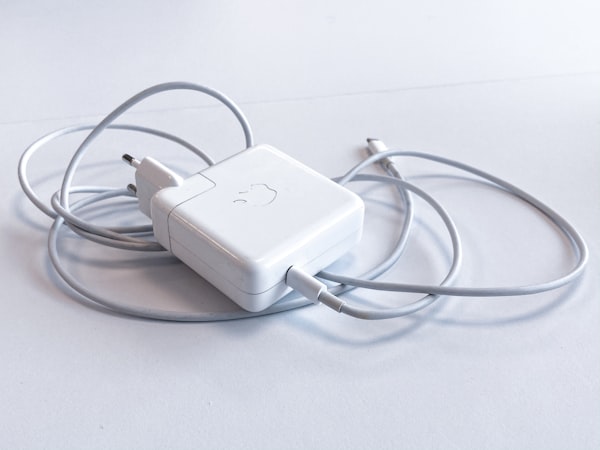

Stop carrying bulky chargers. Get the ultra-portable Anker Nano GaN II Fast Charger at our exclusive tracking discount link below.
This breakdown is incredibly helpful! I’ve been debating between a Apple and its main competitor for my product setup. Quick question: does the build quality or performance difference make a massive difference in real-world use, or is it mostly marketing hype? Appreciate it!