In our rush to digitize the human experience, we made a trade. We swapped physical bookshelves for sterile black screens, and the heavy smell of paper and ink for instant downloads. We convinced ourselves that a book is merely a container for text—that as long as the words are identical, the medium does not matter.
But anyone who has ever held a physical volume from a century ago knows this is a lie.
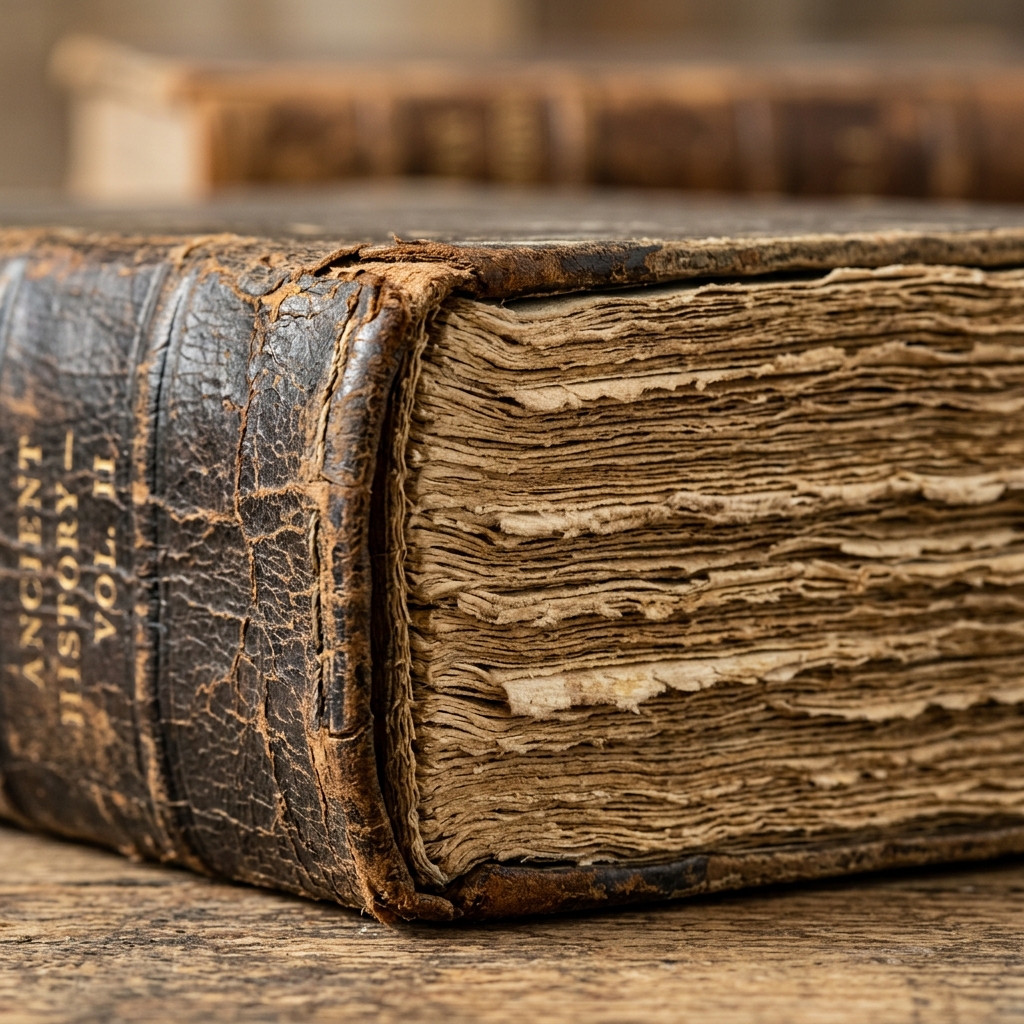
There is an entire sensory universe in a physical book: the thick, uneven edges of deckled paper, the gold-leaf print worn down by the oils of a long-dead reader’s hands, and the pencil-scrawled thoughts left in the margins of a favorite passage. E-readers give us speed, but they starve our senses.
For the modern reader who rejects digital sterility, the hunt for physical books has moved online. Yet, if you search Amazon, you are often routed to high-priced mass-market paperbacks or drop-shipped copies of questionable quality.
To find real literary treasures, you must step off the beaten track. We did a deep dive into the three reigning kingdoms of the online book trade—Alibris, AbeBooks, and ThriftBooks—to evaluate their catalog sizes, rare inventory, pricing structures, and shipping networks. What we found is that how you buy a book shapes your relationship with the text itself.
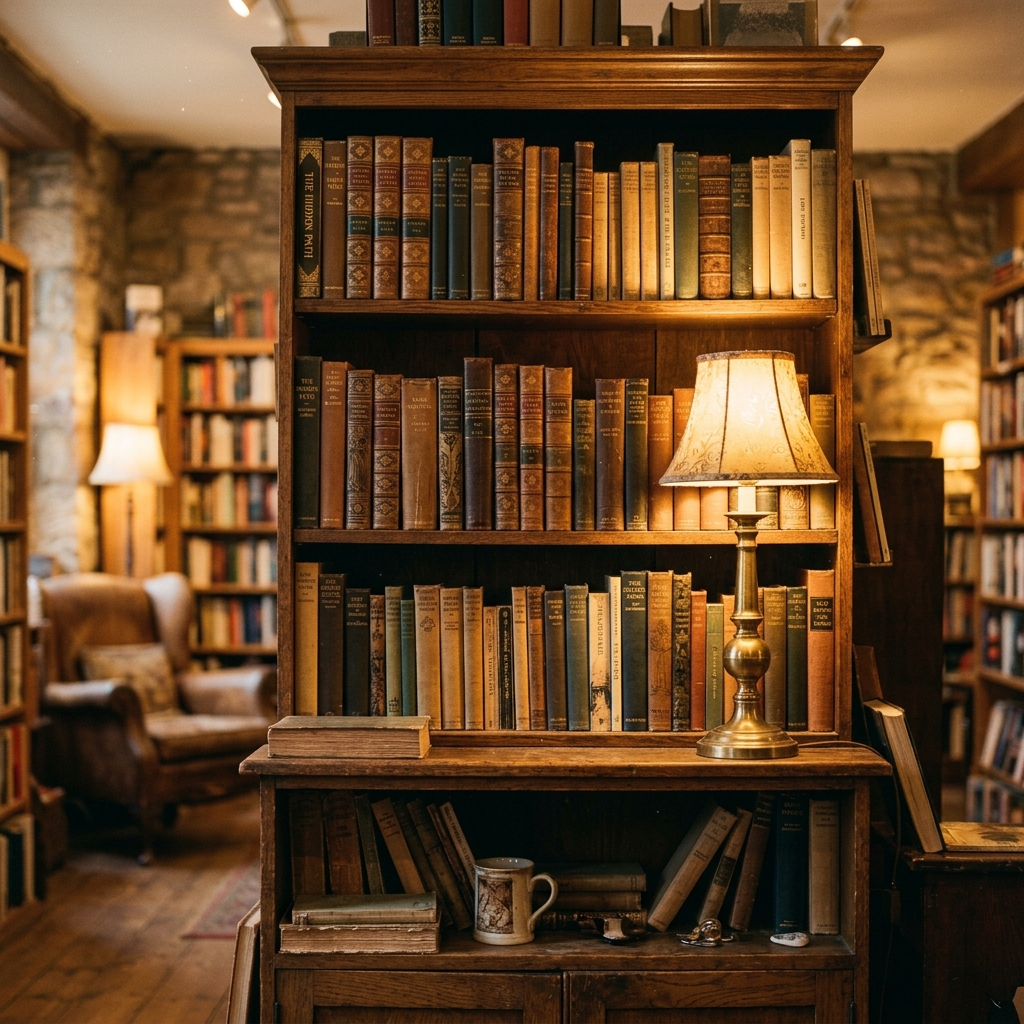
The Aura of the Physical Object: Why Used Books Hold Magic
Why do we feel a deep, emotional pull toward a worn, physical book? The answer was articulated by cultural critic Walter Benjamin in his landmark essay, The Work of Art in the Age of Mechanical Reproduction.
Benjamin argued that a unique artwork or physical object possesses an aura—a singular presence in time and space, a physical history that cannot be replicated.
In a world of infinite, identical mechanical copies, the aura is lost. An e-book file on your screen has zero aura; it is identical to millions of other files.
A used book, however, is a capsule of history.
It carries the physical history of its existence—the specific shelf it sat on during a historic storm, the coffee rings left by a student in 1968, the pressed flower forgotten between pages 40 and 41. When we purchase and read a used book, we are not just consuming information. We are participating in its physical lineage. Sourcing used books online is a quest to retrieve this lost aura in a hyper-digitized world.
The Competitors: Three Paths to the Past
Each of our three competitors approaches the online book ecosystem with a fundamentally different business model. Here is how they operate.
1. AbeBooks: The Global Antiquarian Consortium
* The Vibe: A dusty, endless labyrinth of independent bookshops.
* The Model: Owned by Amazon but operated independently, AbeBooks is not a centralized warehouse. Instead, it is a global marketplace that connects you directly with thousands of independent bookstore owners, rare dealers, and antiquarian sellers worldwide.
* The Power: If a book exists in print, it is probably on AbeBooks. It is the premier platform for finding first editions, signed copies, out-of-print academic titles, and centuries-old maps.
2. Alibris: The Independent Alternative
* The Vibe: The community-driven library exchange.
* The Model: Similar to AbeBooks, Alibris is a marketplace for independent sellers. However, they place a heavy emphasis on textbook rentals, student discounts, and connecting public libraries with used inventory.
* The Power: Exceptionally strong for mid-list fiction, out-of-print paperbacks, and budget-friendly textbooks. They offer robust tools for institutional buyers and libraries.
3. ThriftBooks: The Centralized recycling Machine
* The Vibe: A massive, high-tech industrial recycling facility for stories.
* The Model: ThriftBooks operates massive regional warehouses. They buy books in bulk from thrift stores, estate sales, and library liquidations, grading their quality programmatically and shipping them directly to consumers.
* The Power: Unmatched for price and speed on common titles. If you are looking for a standard reading copy of a classic novel or a recent bestseller for under $5, ThriftBooks is incredibly efficient.
The Friction of Sourcing: Condition Grading and Shipping
Buying used books online carries a unique risk: trusting the seller’s description.
A “Good” book to an academic might mean “covered in highlighter notes,” while to a collector, “Good” means “intact cover with light wear.”
ThriftBooks’ High-Volume Grading
ThriftBooks uses automated sorting systems and human sorters working under strict time quotas. This means their grading (Acceptable, Good, Very Good, Like New) can occasionally be inconsistent. A book marked “Very Good” might arrive with a library stamp on the spine or a slightly torn dust jacket.
However, their customer service is highly responsive; if a book arrives in worse condition than advertised, they quickly send a replacement or issue a refund.
AbeBooks’ Professional Standards
Because AbeBooks is populated by professional book dealers, the descriptions are highly detailed. A listing on AbeBooks will often tell you the exact publisher, the printing year, whether the dust jacket is clipped, and detail every minor blemish on the binding.
On a book collector’s forum, one user detailed their experience:
“I was hunting for an out-of-print copy of a 1920s architecture guide. Amazon wanted $150 for a clean copy. I searched AbeBooks, found a small dealer in Maine selling a slightly worn copy with original plates for $22. It arrived wrapped in brown paper with a hand-written note. You can’t replicate that feeling.”
Sourcing Performance Comparison
We compared the three platforms across three distinct buying scenarios: a common classic, an out-of-print academic title, and a collectible first edition.
| Buyer Need | AbeBooks | Alibris | ThriftBooks |
|---|---|---|---|
| Common Classic (The Great Gatsby, reading copy) | $4.50 + shipping | $4.80 + shipping | $3.99 (Free shipping over $15) |
| Out-of-Print Title (1970s history monographs) | Exceptional depth (Multiple dealers) | Good depth (US-centric) | Limited (Warehouse-dependent) |
| Rare & Signed Editions | The Gold Standard | Moderate | None (Filtered out of mass inventory) |
| Centralized Shipping | No (Each dealer ships separately) | No | Yes (Warehouse consolidated) |

The Verdict: Where Should You Build Your Library?
Sourcing your books online depends entirely on what kind of reader you are.
* Choose AbeBooks if you are hunting for something specific, rare, or collectible. If you want a first edition, a signed copy, a book with historical plates, or a highly technical out-of-print text, AbeBooks connects you with the finest antiquarian dealers in the world.
* Choose Alibris if you want to support independent sellers but are primarily focused on budget paperbacks, school textbooks, or middle-market fiction. Their library-sourced inventory often holds hidden bargains.
* Choose ThriftBooks if you want to build a large reading library on a budget. If you are buying five classics for a summer reading list or stocking up on popular thrillers, their centralized warehouses, bulk discounts, and free shipping over $15 make them the most practical choice for everyday readers.
What sits on your bedside table right now? Are you holding onto the physical weight of a story, or have you yielded entirely to the digital screen? Let us know in the comments below.