
Last updated: May 2026. This article is reviewed quarterly.
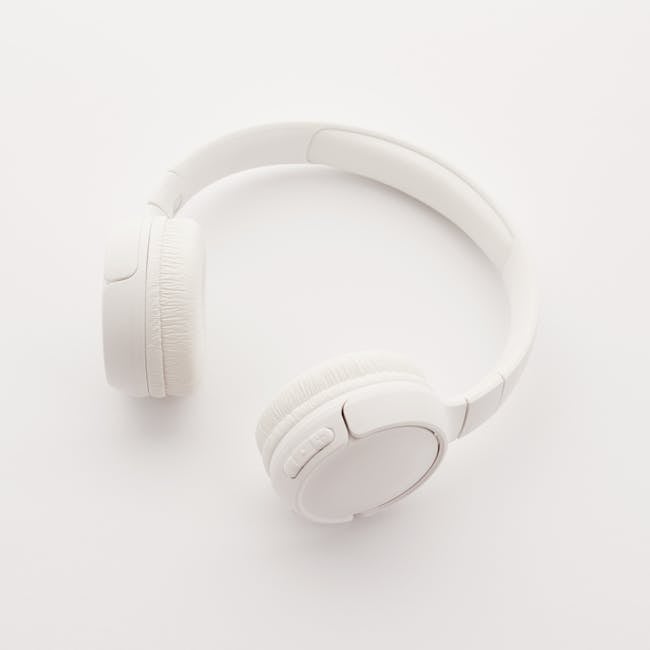
Spend a few hours in the headphone enthusiast community and you will notice that the Bowers and Wilkins PX7 S2e and Sony WH-1000XM5 come up in the same conversation constantly — but almost never for the same reasons. One gets discussed in threads about music. The other gets discussed in threads about travel and commuting.
That division is not accidental. It reflects a genuine difference in what each headphone was built to do.
Sound Quality: Where the B&W Has the Advantage
The Bowers and Wilkins PX7 S2e uses 40mm carbon cone drivers developed from the company’s speaker engineering background. The sound signature tilts toward accuracy and detail rather than the bass-heavy warmth that many mainstream headphones favor. Audiophiles consistently describe it as having a wider soundstage — instruments feel more spatially separated, vocals sit more distinctly in the mix.
One r/audiophile contributor described the difference this way: “The B&W sounds like speakers in a room. The Sony sounds like very good headphones.” That distinction, while subjective, captures something real about how the two headphones handle spatial imaging.
The Sony WH-1000XM5 uses a 30mm driver with a tuning that emphasizes bass warmth. For pop, hip-hop, and electronic music, this is genuinely pleasing — the low end has weight and presence. For acoustic recordings, classical, or jazz, the emphasis can muddy the mid-range in ways that more critical listeners notice.
Sony’s companion app includes a detailed equalizer that allows significant customization. Users willing to spend time dialing in their own EQ settings can get the XM5 close to a more neutral sound profile. The B&W offers less EQ flexibility but starts from a cleaner baseline.
Noise Cancellation: Sony Wins, and It Is Not Close

If noise cancellation is your primary concern, the Sony WH-1000XM5 is the correct choice without much debate. Its eight-microphone system consistently performs at or near the top of every independent ANC ranking. Low-frequency noise — aircraft engines, train hum, HVAC systems — gets reduced to near silence. The difference on a long flight is genuinely significant.
The B&W PX7 S2e’s ANC is competent for daily environments. It handles office background noise and street sounds effectively. But it does not reach the XM5’s ceiling in high-noise environments. For users who primarily use headphones at a desk or walking around a city, the difference is small. For frequent flyers or commuters on loud transit systems, it is substantial.
Sony also wins on call microphone quality. The XM5’s beam-forming microphones isolate voice clearly in noisy environments, which matters if you take calls while moving through the world. The B&W’s microphone performance is adequate but not a selling point.
Build Quality and Comfort: Different Priorities
The B&W PX7 S2e uses aluminum, stainless steel, and leather in its construction. Picking it up for the first time, the material quality is immediately apparent. It weighs more than the Sony — around 335g versus the XM5’s 250g — which some users feel over longer listening sessions.
The XM5 uses a plastic-and-fabric construction that is lighter and more comfortable for extended wear. Sony redesigned the headband from previous XM generations, and most users find the fit natural. A minority report that the narrow headband creates pressure points after several hours — this seems to depend significantly on head shape.
Physical controls are a point of division. The B&W uses physical buttons, which allow operation by touch without looking or removing the headphones. The XM5 uses a touch-sensitive panel on the right ear cup. Touch controls are intuitive once learned but can register unintended inputs during movement. Users who prefer tactile feedback consistently prefer the B&W’s approach.
Features and Practicality

Sony’s feature integration is deeper. Adaptive Sound Control automatically adjusts ANC levels based on your activity. Speak-to-Chat pauses music and lets ambient sound in when you speak, without pressing any buttons. Multi-point connection handles two paired devices simultaneously with less friction than the B&W’s implementation.
Both headphones support LDAC for high-quality Bluetooth audio when paired with compatible Android devices. Battery life is comparable — around 30 hours with ANC on for both, 40 hours without. Charging via USB-C on both units.
Which One Is Worth the Money
The Bowers and Wilkins PX7 S2e is the right choice if sound quality is your first criterion and noise cancellation is secondary. If you primarily listen to music at home or in relatively quiet environments, the B&W’s sonic character is noticeably more refined. The build quality also justifies the price for buyers who care about premium materials.
The Sony WH-1000XM5 is the right choice if you need a single pair of headphones that handles everything competently — commuting, calls, office use, travel. The ANC advantage is real and significant in the environments where it matters most. For listeners who are not deeply invested in audiophile-level sound differences, the Sony’s feature set and versatility make it the stronger daily tool.
Both headphones are worth their price points for the right buyer. The mistake is buying the wrong one for your actual use case — the person who buys B&W for commuting and spends flights wishing for better ANC, or the person who buys Sony for serious listening and is always slightly bothered by the mid-range warmth they cannot fully EQ away.